Academic Breaks Fueling Spikes in Youth Entries for Portable Gaming Device Distributions
Written by Henrik Müller · Aug 7, 2026
Academic Breaks Fueling Spikes in Youth Entries for Portable Gaming Device Distributions
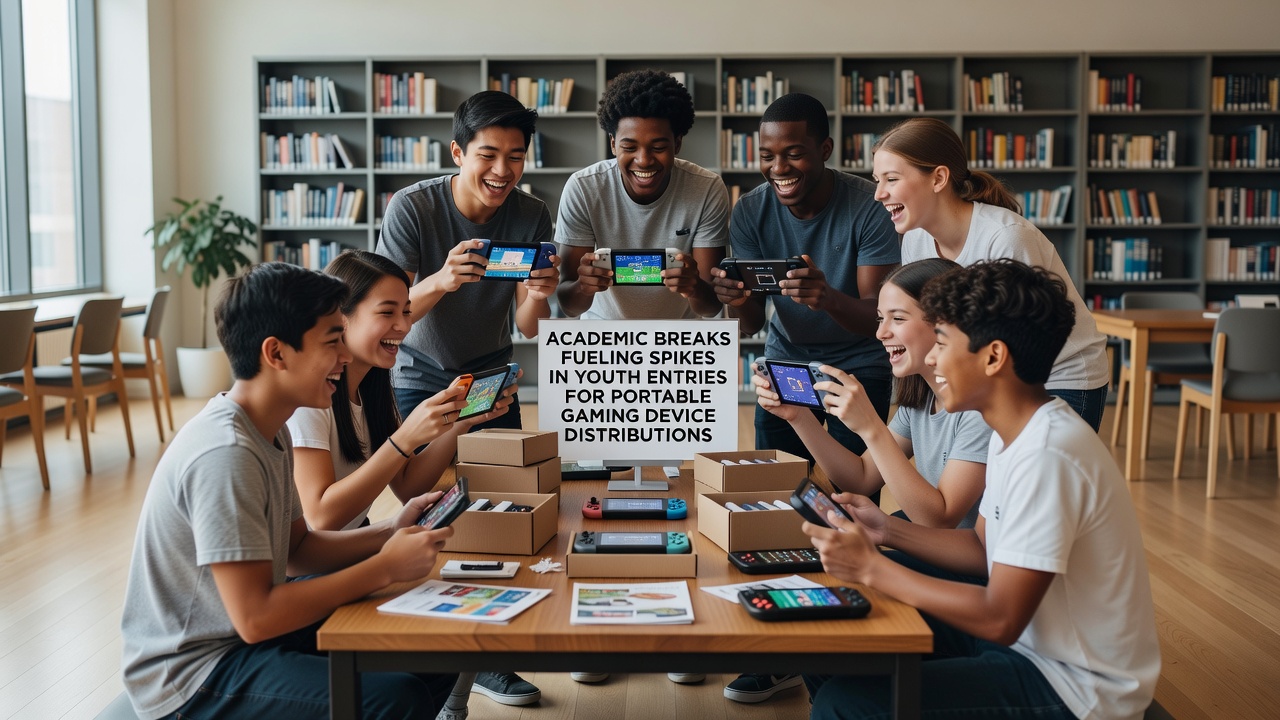
Academic breaks create clear windows where young people gain extended free time, and entry volumes for portable gaming device distributions rise sharply during those periods. Summer recesses, winter holidays, and spring breaks align with increased submissions across sweepstakes and raffle platforms that award handheld consoles, tablets, and mobile gaming hardware. Observers tracking participation patterns note consistent upticks in youth-driven entries when school schedules pause, because daily routines shift and access to online entry forms expands through home networks and personal devices.
Patterns in Entry Volume During Breaks
Data from multiple contest platforms shows that submissions from participants under 18 climb by notable margins once academic terms end, while researchers compiling entry logs from 2024 through 2025 recorded the steepest increases during July and August windows. Portable gaming devices rank among the most sought prizes in these distributions, drawing repeated entries from the same age group because the hardware offers immediate entertainment value during unstructured days. Those who monitor submission timestamps find that activity peaks between 10 a.m. and 4 p.m. on weekdays when schools are closed, contrasting with lower volumes during regular class periods.
August 2026 followed the same established rhythm, with platforms reporting elevated youth entries in the first two weeks of the month after many regions concluded their summer breaks. The pattern holds across different geographic areas because the common factor remains the absence of structured school hours rather than local weather or specific prize announcements. Contest administrators adjust staffing and server capacity in anticipation of these recurring surges, since the volume of form submissions and verification requests grows measurably once breaks begin.
Factors Driving Increased Participation
Extended time at home allows young entrants to complete multi-step entry requirements that include social media shares, video views, or account registrations, tasks that compete with homework during active school terms. Portable devices serve as practical prizes because they require minimal setup and travel well, which matches the mobility many families seek during vacation periods. Studies compiled by industry analysts indicate that households with multiple school-age children show higher collective entry rates, as siblings often coordinate submissions on shared devices during afternoons and evenings.
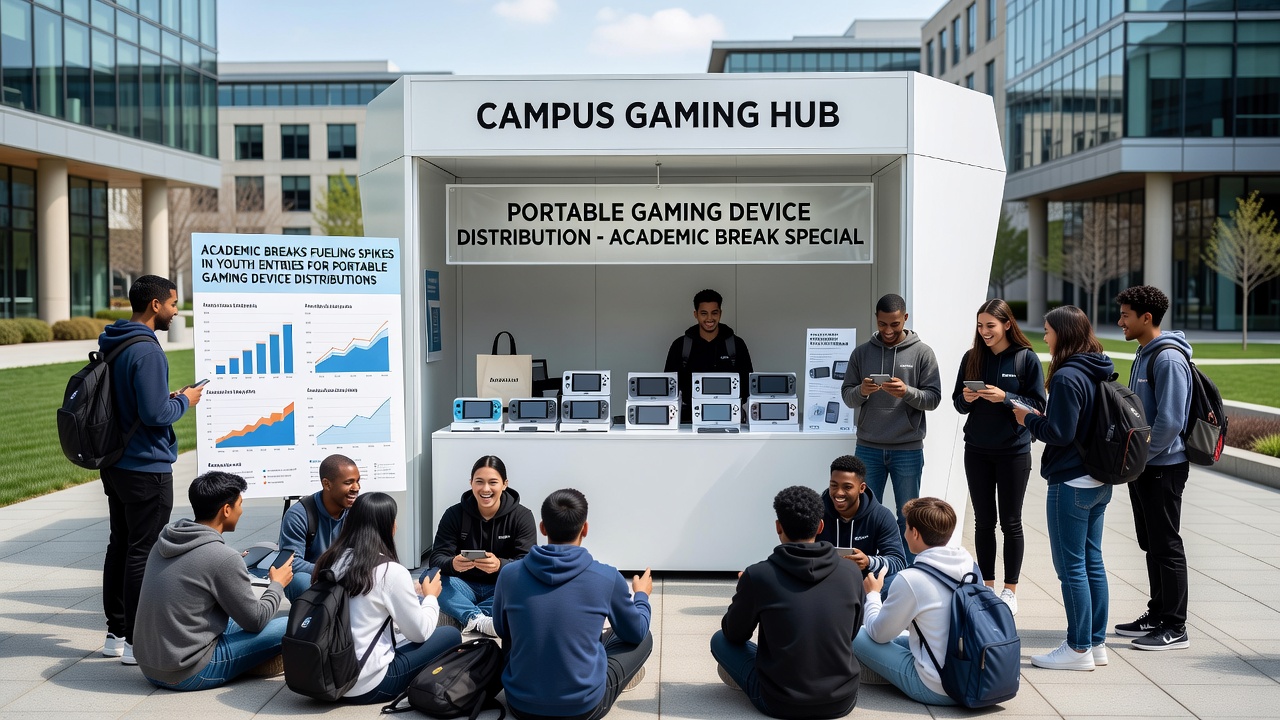
Connectivity differences also surface in the data, with urban and suburban households maintaining steadier submission rates than rural areas where broadband access varies. Yet the overall trend across regions remains an increase once academic calendars free up daily schedules. Government statistical agencies in several countries, including reports from the Australian Bureau of Statistics on household internet use, document parallel rises in recreational online activity during school holidays, which aligns with contest entry behavior tracked by platform operators.
Device Types and Distribution Channels
Handheld consoles and lightweight gaming tablets dominate prize lists in youth-targeted distributions because manufacturers and retailers supply these units in volume for seasonal promotions. Entry mechanisms range from simple email registrations to more involved tasks such as gameplay streams or community forum posts, and younger participants adapt quickly to the latter formats during breaks when time constraints loosen. Platforms that aggregate multiple giveaways report that portable hardware attracts broader age demographics than stationary systems, partly because portability removes barriers related to shared living spaces or travel.
Cross-promotions with game launches further boost entry numbers, as developers time beta access codes and device bundles to coincide with holiday periods. Those compiling longitudinal data note that repeat entrants often improve their completion rates for complex submissions after the first break cycle, creating a learning effect that sustains elevated volumes in subsequent years.
Regional Variations and Data Sources
North American platforms record the largest absolute numbers of youth entries during summer months, while European operators observe similar percentage spikes aligned with staggered national school calendars. A 2025 analysis released by the Entertainment Software Association highlighted correlations between leisure time availability and digital contest participation, though the report focused primarily on overall engagement rather than prize-specific distributions. These findings match patterns observed by independent tracking services that aggregate public entry logs from portable device raffles.
Conclusion
Academic breaks function as predictable catalysts for higher youth participation in portable gaming device distributions because they remove daily time pressures and increase opportunities for online engagement. Platform operators, researchers, and regulatory bodies continue to monitor these cycles to refine capacity planning and entry verification processes. The recurring alignment between school calendars and submission surges provides a measurable framework for anticipating activity levels in future distribution events.