Exam Seasons and Their Impact on Free Game Code Acquisition Rates Among Students
Written by Henrik Müller · Aug 26, 2026
Exam Seasons and Their Impact on Free Game Code Acquisition Rates Among Students
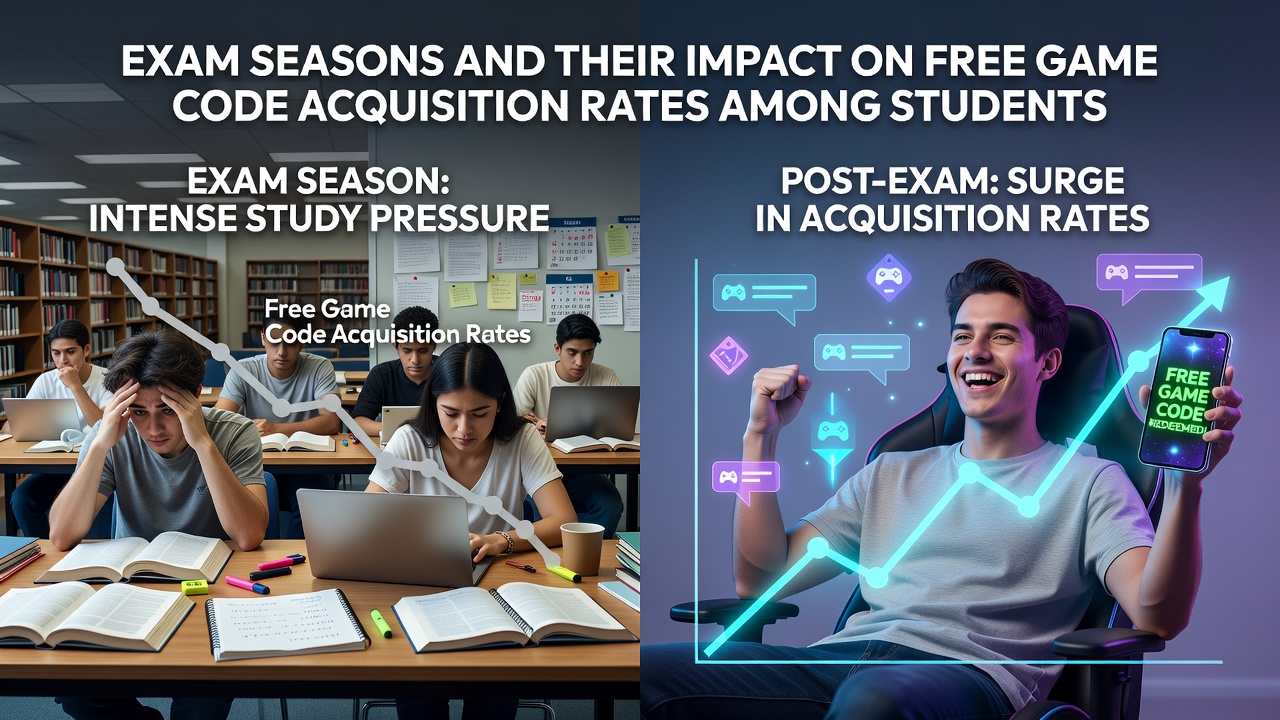
Exam seasons create measurable shifts in how students allocate time across academic demands and leisure activities including participation in gaming code giveaways and contest entries. Data from multiple academic calendars show consistent declines in submission volumes during peak testing periods when coursework intensifies and sleep schedules compress. Researchers tracking contest platforms have documented drops ranging from 18 to 35 percent in student-originated entries during May and December cycles across North American and European regions.
Patterns in Student Participation During High-Stress Academic Windows
Contest operators report that entry spikes typically occur in the weeks immediately preceding exam blocks while rates fall sharply once study periods begin. Mobile sweepstakes submissions from university domains decrease notably when final exam schedules overlap with major game launches or beta key distributions. Observers tracking IP address patterns tied to educational institutions note that afternoon and evening submission windows shrink as students prioritize library sessions and group reviews instead of forum monitoring or stream participation.
August 2026 brings another round of back-to-school transitions in several hemispheres where summer exam retakes and early semester assessments coincide with renewed hardware raffle cycles. Figures from previous August periods indicate that students returning to campus often delay contest entries until after initial syllabus reviews conclude. This creates a staggered pattern where code acquisition activity resumes gradually rather than immediately upon the start of new terms.
Platform-Specific Trends and Entry Behaviors
Twitch-based giveaways and Discord server drops experience sharper reductions among student demographics compared with general user bases during exam weeks. Stream chat engagement from verified student accounts falls while non-student participation remains steadier. Researchers analyzing timestamped submissions across multiple platforms have identified that short-form entry methods such as tweet replies or simple form fills retain higher completion rates than multi-step raffles requiring extended video watches or account linkages.
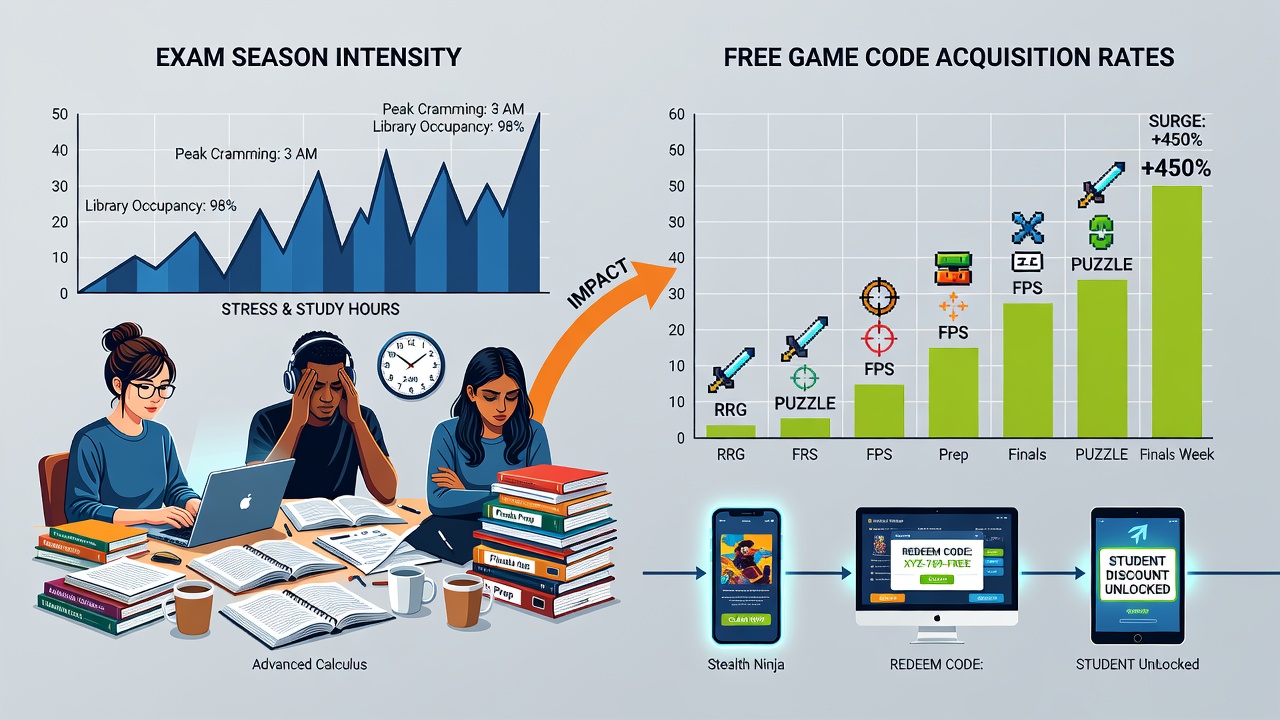
Those monitoring Reddit and forum activity observe that dedicated threads for free code hunting receive fewer student comments once midterms or finals approach. Instead, posts from the same accounts shift toward resource sharing for exam preparation. This behavioral pivot reduces the organic amplification that student networks normally provide for indie game beta access opportunities and accessory draws.
Geographic and Institutional Variations
Studies conducted across different time zones reveal that institutions with compressed exam schedules experience steeper but shorter dips in acquisition activity. Australian and Canadian data sets show that students in regions with centralized national testing periods exhibit synchronized drops that align with those national calendars. In contrast, decentralized systems in parts of the United States produce more staggered reductions spread across multiple weeks.
According to reports published by the Entertainment Software Association, student households represent a significant portion of contest traffic during non-academic periods, yet this share contracts when academic calendars intensify. A separate analysis from Statistics Canada on digital leisure habits indicates parallel reductions in time spent on online gaming communities during peak study months.
Recovery and Post-Exam Rebound Effects
Entry volumes often rebound within seven to ten days after major exam blocks conclude. Students who deferred participation frequently catch up on missed opportunities once grades are submitted. This recovery phase sometimes produces above-average submission rates as accumulated free time meets ongoing contest cycles. Platform operators note that these rebound periods also coincide with increased sharing of newly acquired codes within student groups, extending reach beyond individual entries.
Conclusion
Exam seasons exert a predictable influence on free game code acquisition rates among students through documented changes in available time and platform engagement. Patterns tracked across multiple years and regions demonstrate consistent reductions during testing windows followed by measurable rebounds. These cycles continue to shape how contest organizers and gaming communities experience fluctuating participation from the student demographic as academic calendars advance into 2026 and beyond.