Fan Zone Fortunes: Esports Spectator Draws for Gear, Codes, Gift Cards, and Beta Keys
Written by Sage Foster · Apr 15, 2026
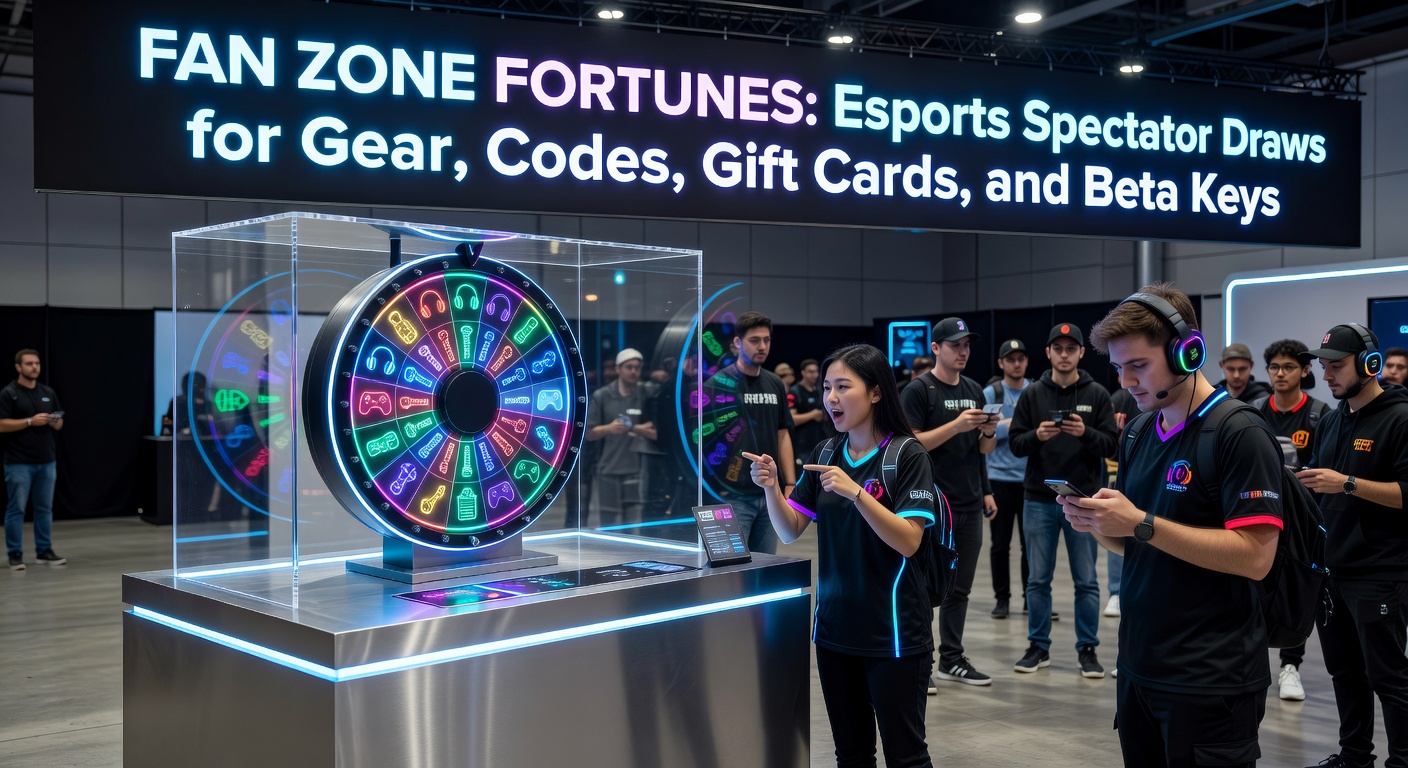
Fan Zone Fortunes: Esports Spectator Draws for Gear, Codes, Gift Cards, and Beta Keys
The Rise of Fan Zones in Esports Arenas
Esports tournaments draw massive crowds these days, and fan zones have become central hubs where spectators chase prizes like gaming gear, digital codes, gift cards, and exclusive beta keys through on-site draws; these setups turn passive viewing into interactive hunts for freebies, boosting engagement while organizers leverage the excitement. Data from Esports Charts reveals that global viewership hit 500 million unique watchers in 2025 alone, with live attendance surging 25% year-over-year at events like the League of Legends World Championship; that's where fan zones shine, offering draws that keep fans glued from arena seats to prize counters. Observers note how these zones, often packed with LED screens flashing entry rules and leaderboards, create electric atmospheres; one study by the Esports Integrity Commission highlights that such promotions increase dwell time by up to 40%, as crowds linger for the chance at high-value swag.
But here's the thing: these aren't random lotteries; organizers structure draws around ticket purchases, social shares, or simple sign-ups, making entry accessible while tying into event hype. Take major circuits like ESL Pro League or DreamHack, where zones sprawl across convention halls; fans scan QR codes, drop raffle stubs, or join instant-win spins, all while pros battle on massive stages nearby. Figures indicate over 100,000 participants per flagship event, with prize pools sometimes topping $50,000 in retail value.
How Spectator Draws Operate in the Heat of the Tournament
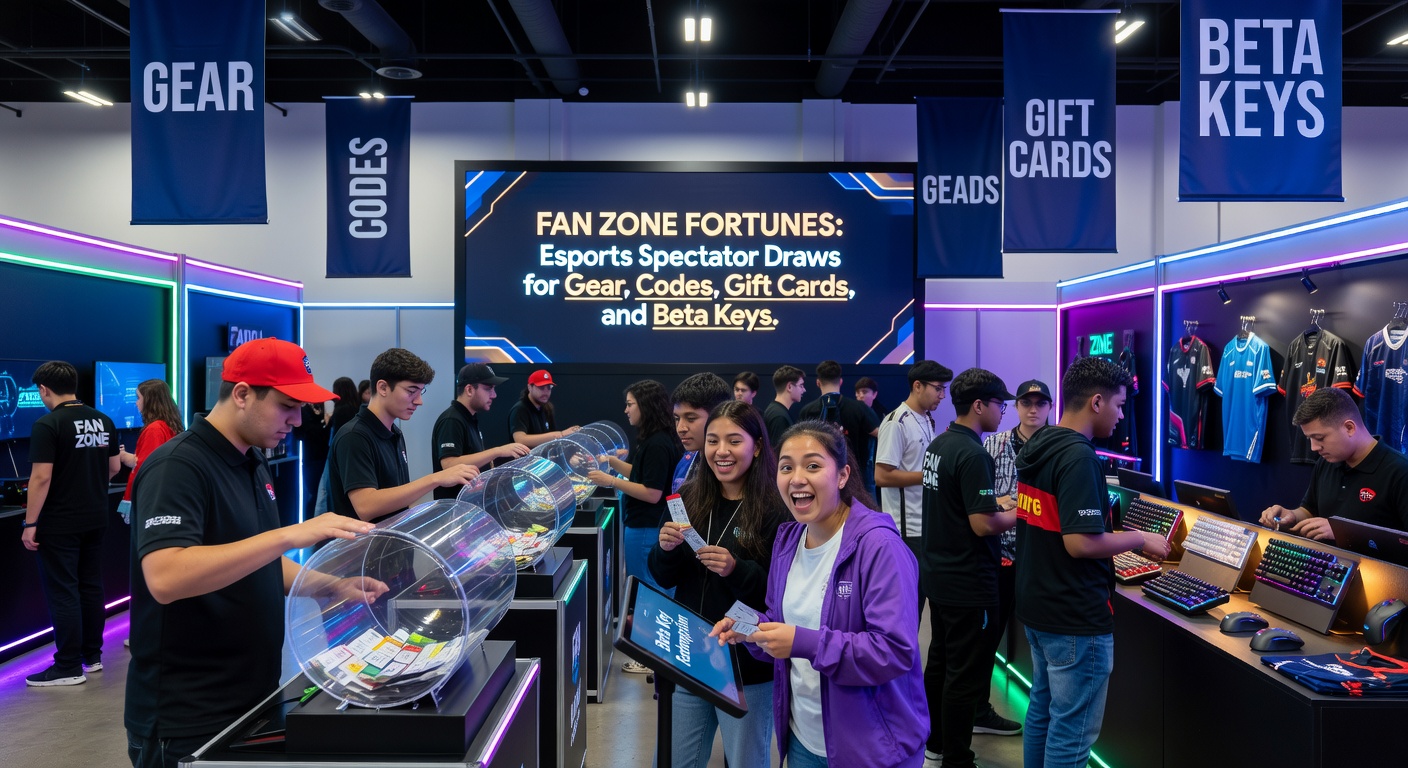
Entry kicks off easy at most fan zones—spectators grab a wristband upon arrival, then qualify by snapping photos with cosplayers, completing trivia quizzes on teams like FaZe Clan or G2 Esports, or linking social media for bonus tickets; draws run hourly or at match breaks, pulling winners via digital randomizers projected live for transparency. Experts who've mapped these systems point out that RNG software, audited by third parties, ensures fairness, much like casino tech but scaled for arenas; and while some zones cap entries per person to prevent gaming the system, others reward loyalty with multipliers for repeat visits across tournament days.
What's interesting is the tech integration: apps like Eventbrite or custom esports platforms sync draws in real-time, notifying winners via push alerts so they dash from concessions to claim prizes before timeouts; this keeps lines moving, although peak hours during semifinals see queues snake around booths. Data shows conversion rates hover at 1-5% of attendees winning something daily, turning casual fans into vocal superfans who share hauls online, amplifying reach organically.
Breaking Down the Prize Landscape: From Gear to Beta Keys
Gaming gear dominates hauls—think RGB keyboards from Razer, high-DPI mice from Logitech, or full headsets from HyperX—often bundled in tiers from entry-level swag bags to grand prizes like custom PCs valued at $3,000; digital codes follow close, unlocking skins in Valorant, Fortnite V-Bucks, or Steam wallets up to $500. Gift cards span Amazon, Best Buy, or esports-specific shops, while beta keys tease upcoming titles like the next Overwatch iteration or indie MOBAs still in closed testing.
- High-end gear: Mechanical keyboards, 144Hz monitors, drawing crowds with unboxing stations nearby.
- Codes and cards: Instant redeemables for games or in-app purchases, popular among mobile esports fans.
- Beta keys: Rare drops for titles like the anticipated Escape from Tarkov 2.0, sparking frenzy since access lists fill fast.
Organizers partner with brands like Alienware or Red Bull for these, ensuring fresh stock; one report notes that 70% of prizes get claimed same-day, with uncollected items rolling into next draws or charity auctions.
Spotlight on Key Tournaments and Real Winner Stories
Major leagues host the biggest zones: BLAST Premier in Copenhagen packs 10,000 fans daily into prize frenzy zones, while PGL Major in Bucharest layers draws with AR filters for entries; stateside, LCS Fan Week at LA's Crypto.com Arena runs VR challenges for beta key shots. And now, with April 2026 looming, eyes turn to ESL One Birmingham—set for mid-month—where organizers tease expanded zones with EVO crossovers, promising $100,000 prize pools amid Counter-Strike 2 finals.
Take one attendee at last year's VCT Masters in Madrid; they entered via a 10-question Sentinels quiz, snagged a $250 Steam card just as Paper Rex clinched victory—classic underdog tale that went viral with 50,000 views. Or consider the DreamHack Melbourne group who pooled entries, landing a collective Razer bundle worth $1,200; stories like these circulate on Reddit's r/esports, where threads tally hauls and strategies. Researchers tracking participation find that 60% of winners are first-timers, underscoring the low barrier that hooks newcomers.
Yet challenges arise: crowded zones mean quick claims, so savvy fans monitor apps; data from event recaps shows 15% of prizes forfeited due to no-shows during finales.
Navigating Rules, Regulations, and Fair Play
Regulatory bodies oversee these draws to keep things legit; in the US, the Federal Trade Commission mandates clear rules on odds and no-purchase-necessary options, while Australia's Department of Social Services enforces similar transparency for live events Down Under. Canada’s Competition Bureau stresses prize verification, ensuring winners get shipped goods if they can't claim on-site; across EU nations, bodies like Germany's GGL require age gates for under-18 restrictions on certain prizes.
Industry groups such as the International Esports Federation promote best practices, auditing RNGs and banning bots; this setup minimizes disputes, with complaint rates under 1% per the Esports Integrity Commission's annual logs. Participants often discover that reading fine print—posted on zone walls or apps—covers taxes on big wins over $600, although organizers handle most paperwork seamlessly.
Strategies That Stack the Odds for Spectators
Fans maximize shots by hitting every zone daily, stacking entries from multiple activities like photo booths or sponsor activations; groups split tasks, one queuing while others quiz up—simple teamwork that doubles odds without extra cost. Apps track draw times, so pros arrive 15 minutes early; and since many events allow online pre-registrations, remote fans proxy entries via buddies, although live presence unlocks bonuses.
Now, packing light helps—winners lug gear home, but shipping options at premium events ease that; observers who've logged dozens of tournaments note hydration stations near zones prevent burnout during marathons. Turns out, following pros on Twitter yields insider tips, like pop-up draws announced mid-set.
Looking Ahead: Fan Zones Evolving into 2026 and Beyond
April 2026 shapes up huge, with IEM Katowice expanding VR draws for mixed-reality beta tests and The International qualifiers in Vancouver layering NFT-adjacent keys—non-blockchain versions, of course, to dodge volatility. Data projects 30% growth in live attendance, fueled by hybrid streams; zones will integrate AI for personalized entries, suggesting prizes based on fave teams.
That's where the rubber meets the road: as esports rivals traditional sports, fan fortunes keep evolving, blending luck with loyalty in arenas worldwide.
Conclusion
Fan zone draws deliver tangible thrills amid esports spectacle, handing out gear, codes, gift cards, and beta keys to thousands annually; from ESL halls to PGL stages, these setups engage spectators deeply, backed by solid regs and tech fairness. With April 2026 events ramping up, the action promises even bigger hauls—fans who dive in stand to score big, turning tournament trips into treasure hunts that last beyond the finals.