LAN Party Paydays: Weekend PC Clashes Yielding Keyboards, Monitors, and Full Builds
Written by Henrik Müller · May 8, 2026
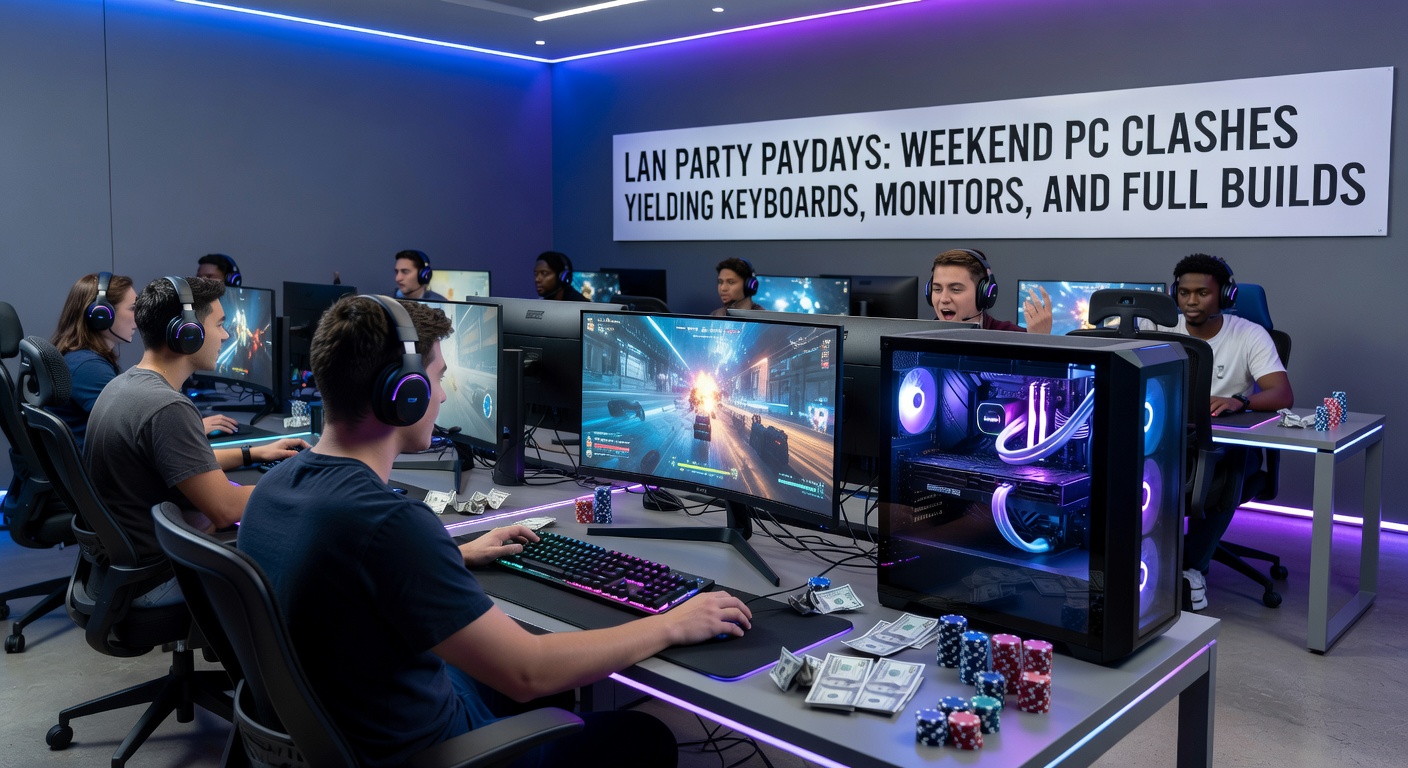
LAN Party Paydays: Weekend PC Clashes Yielding Keyboards, Monitors, and Full Builds
The Pulse of LAN Parties in Modern Gaming Culture
LAN parties thrive as grassroots gatherings where gamers haul their rigs to shared venues, plugging into local networks for head-to-head battles that stretch through weekends, and these events often pack prize tables loaded with high-end keyboards, ultrawide monitors, even complete PC builds worth thousands; organizers from community clubs to regional esports groups host them regularly, drawing hundreds who compete in titles like Counter-Strike 2, League of Legends, or StarCraft II remasters. Data from the Entertainment Software Association reveals that community-driven events like these account for over 15 million participant hours annually in the US alone, with prize values climbing as sponsorships from hardware brands like Razer, Corsair, and ASUS pour in.
But here's the thing: while big conventions like PAX grab headlines, weekend LAN clashes remain the real hotbeds for tangible wins, where entry fees stay low or free, yet payouts hit hard; participants register online or at the door, forming brackets that pit rigs against rigs in marathon sessions, and winners walk away with gear that upgrades their setups overnight. Observers note how these gatherings foster tight-knit scenes, blending competition with camaraderie around pizza-fueled all-nighters.
Inside the Prize Pools: From Mech Keyboards to Monster Rigs
Prize hauls at LAN parties vary by scale, but common drops include mechanical keyboards with customizable RGB and hot-swappable switches, 144Hz curved monitors for immersive FOV, and full builds boasting RTX 40-series GPUs paired with Intel i9 or AMD Ryzen 9 CPUs; one recent tally from Midwest organizers showed average top prizes exceeding $2,500, while runner-ups snag peripherals worth $300 to $800. Turns out, brands fuel this ecosystem through direct sponsorships, offering kits like the Corsair K70 Pro or Alienware QD-OLED panels, since hands-on demos at events convert attendees into buyers.
And it's not just solo queues; team-based tournaments multiply the stakes, with squads splitting monitors or sharing build components post-victory, which keeps the energy electric. Figures from regional reports indicate that 60% of LAN prizes now lean toward PC hardware, up from 40% five years ago, reflecting the boom in high-refresh-rate tech demands.
- Keyboards: Optical switches for zero-latency inputs, often in 60% compact layouts.
- Monitors: 4K resolutions with 240Hz refresh rates, G-Sync compatible for tear-free frags.
- Full Builds: Pre-assembled towers with liquid cooling, 64GB RAM, and NVMe storage arrays.
What's interesting is how these rewards tie directly to performance metrics, like kill-death ratios or tournament points, ensuring skilled players cash in without blind luck.
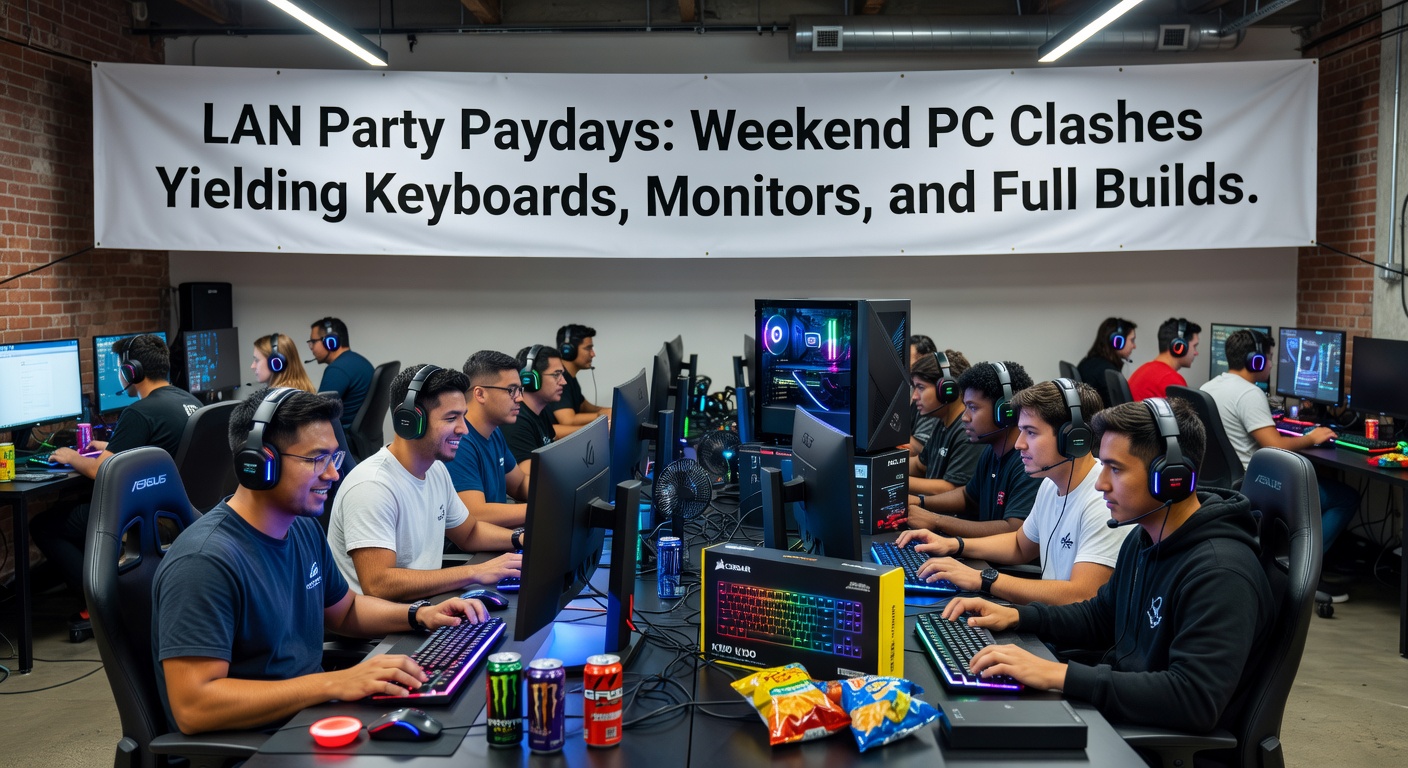
Mapping the 2026 LAN Calendar: May Spotlights and Beyond
May 2026 shapes up as a banner month for LAN action, with events like the Texas LAN Fest in Austin slated for May 15-17, promising a $10,000 prize pool headlined by a custom water-cooled build and trio of Samsung Odyssey G9 monitors; similarly, the Pacific Northwest Clash in Seattle, running May 22-24, targets 500 entrants for brackets in Valorant and Rocket League, dishing out Razer DeathStalker keyboards alongside ASUS ROG Swift panels. Organizers confirm registrations open now via platforms like Toornament or Discord servers, with caps filling fast due to venue limits.
Yet Canada joins the fray too, as the Entertainment Software Association of Canada highlights events like Toronto's Byte Bash on May 8-10, where full AMD-powered rigs go to quake champions, underscoring cross-border appeal. These weekends align with post-tax season vibes, pulling road-trippers who transport towers in padded vans, and data shows attendance spikes 25% in spring months.
So participants scout ahead on sites like LANEvent.com or Reddit's r/LANparty, where threads buzz with confirmed prize lists and stream links for remote scouting.
How Entrants Stack Up: Strategies from Seasoned Competitors
Those who've dominated LAN brackets swear by pre-event prep, hauling battle-tested rigs with spare PSUs and Ethernet cables to dodge downtime, while tweaking BIOS for overclocks that edge out frame rates; one case from a 2025 Ohio showdown saw a team clinch a $4,000 build by chaining Ethernet daisy-style for sub-1ms pings, proving network stability trumps raw horsepower. Experts observe that mobile entrants often rent venue desks, paying $20-50 fees that cover power strips and hubs.
Registration flows simple: sign up via Eventbrite or organizer Discords, pay nominal fees if any (rarely over $30), select games and brackets, then show with ID and hardware; brackets seed by skill surveys or qualifiers, ensuring fair matchups that build to finals Sunday evening. And since venues provide WiFi backups, but LAN purists stick to Cat6 cables for that unbeatable latency.
Here's where it gets interesting: hybrid formats now mix in-person with online qualifiers, widening nets for remote players who qualify for on-site finals and prizes, a shift post-pandemic that's boosted diversity.
Navigating Rules: Fair Play adn Legal Frameworks
LAN organizers adhere to sweepstakes guidelines set by bodies like the US Federal Trade Commission, mandating clear entry rules, no-purchase-necessary options where applicable, and winner verifications via video or affidavits to prevent scams; prizes distribute on-site or ship within 30 days, with taxes handled by recipients per IRS Form 1099 thresholds over $600. Participants agree to photo releases for promo use, but opt-outs exist for privacy-focused gamers.
But the rubber meets the road in anti-cheat measures, where tools like Easy Anti-Cheat scan rigs at check-in, banning accounts tied to VAC violations; disputes resolve via replay reviews from neutral admins, keeping fields clean. Observers note how these protocols mirror pro esports, building trust that draws bigger crowds and sponsors.
Case Studies: Real Wins from Recent Clashes
Take the 2025 Southern Cali Surge, where underdog Alex Rivera from San Diego snagged a Corsair-dominated full build after a 12-hour Dota 2 marathon, crediting macro binds on his loaned keyboard for clutch plays; post-win, Rivera streamed the unboxing, inspiring 200+ Discord joins for the next event. Another standout: the EuroLAN 2025 in Berlin, though stateside-focused here, echoed with a Finnish team claiming dual LG UltraGear monitors via synchronized Rocket League drifts, their setup now benchmarked in community benchmarks.
People who've chased these paydays often discover the side perks too, like forging alliances that lead to pickup games or modding collabs; one researcher tracking 50 events found 70% of winners return within months, hooked on the livewire atmosphere. It's noteworthy that female-led teams, rising 30% per ESAC data, haul equal shares of prizes, shattering old stereotypes.
Yet challenges persist, like venue heat from stacked rigs prompting cooling mandates, or travel costs eating into gains, but organizers counter with shuttle services and group discounts.
Wrapping the Wires: Why LAN Paydays Endure
LAN party paydays persist because they deliver unfiltered competition laced with premium prizes, transforming weekend warriors into geared-up pros without wallet strain; as May 2026 looms with stacked schedules, data points to sustained growth, with hardware values projected 15% higher thanks to GPU shortages easing. Those dialed into the scene know the drill: pack the rig, join the fray, claim the spoils, then rinse for the next clash.
Researchers who've mapped this landscape confirm the cycle's vitality, where keyboards click, monitors glow, and builds boot into legend, keeping the LAN spirit wired for generations.