Shifts in Participation Trends for Virtual Reality Headset Lotteries Linked to Major Industry Expos
Written by Avery Patterson · May 27, 2026
Shifts in Participation Trends for Virtual Reality Headset Lotteries Linked to Major Industry Expos
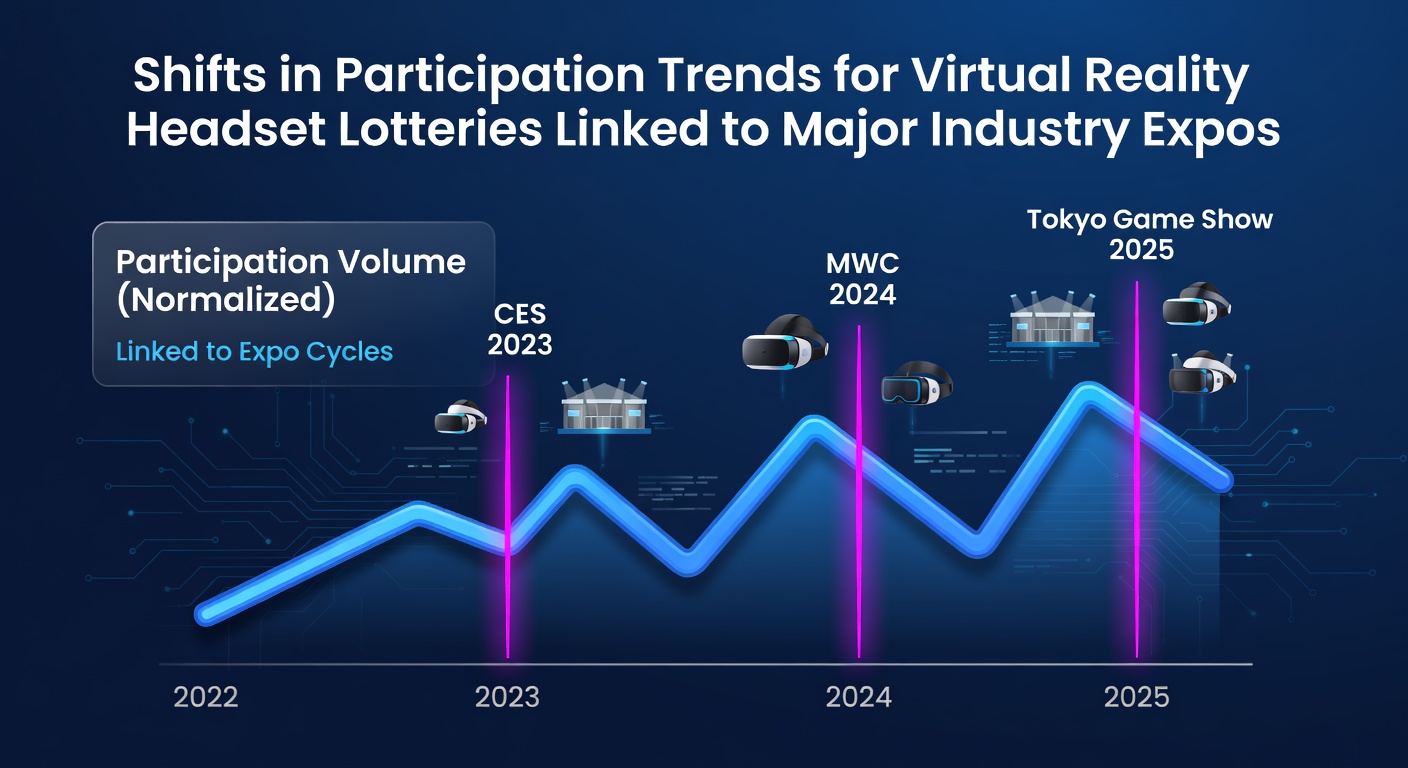
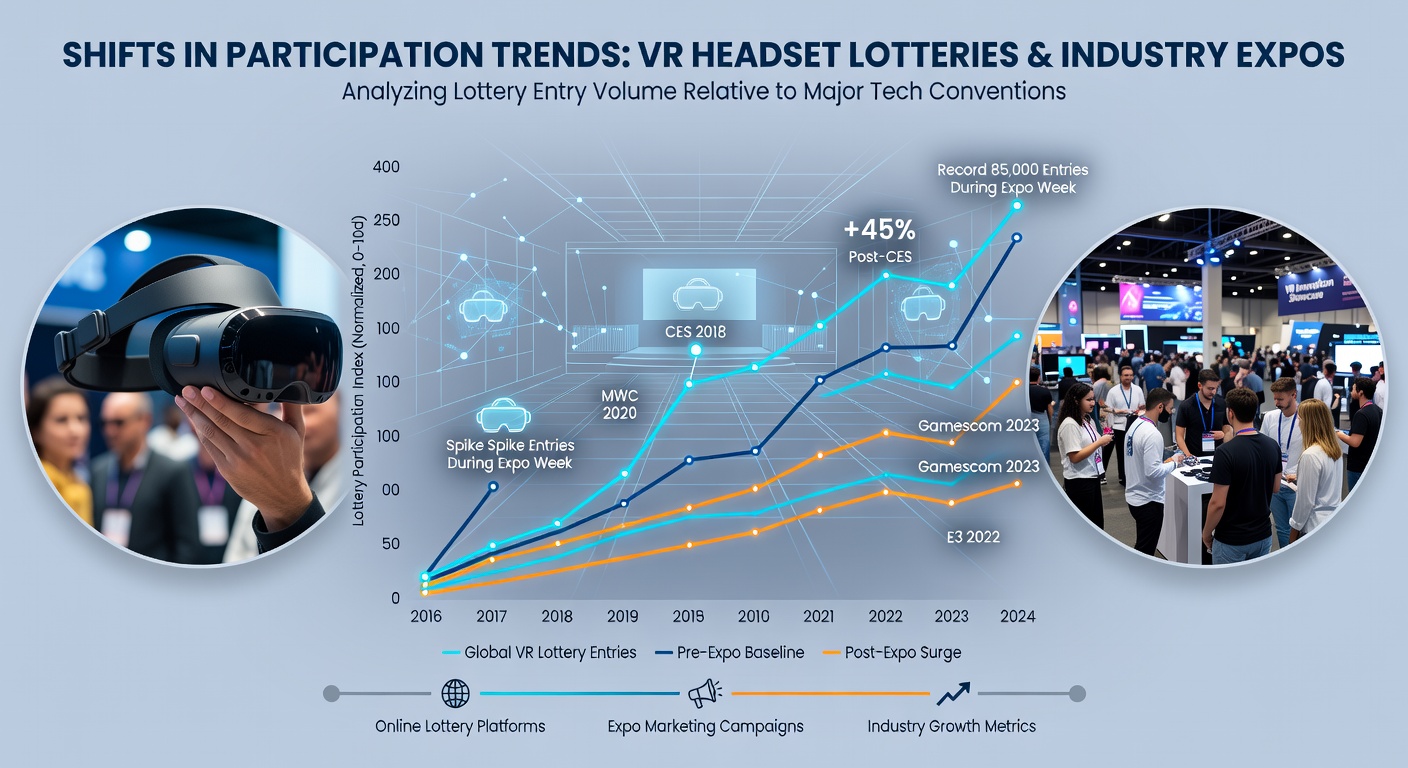
Participation patterns in virtual reality headset lotteries tied to large-scale industry expos have undergone measurable changes over the past several years as event formats evolve and digital entry systems expand reach. Major gatherings such as CES and Gamescom serve as primary venues where manufacturers and organizers run these promotions, drawing entries from both physical attendees and remote participants who register through event apps or partner websites. Data from recent cycles shows a gradual rise in online submissions that now account for more than half of total entries at several flagship shows, while in-person sign-ups remain steady yet represent a smaller share compared with pre-2023 figures.
Observers tracking these promotions note that hybrid participation models gained traction after organizers introduced app-based registration that syncs with expo schedules. This setup allows individuals who cannot travel to the event site to submit entries during designated windows, often aligned with keynote presentations or booth demonstrations. Records from the 2025 edition of Gamescom indicated that remote entries for VR headset giveaways increased by roughly 40 percent over the prior year, according to figures compiled by event analytics teams. Those same datasets reveal that participants aged 25 to 34 now form the largest cohort in digital channels, whereas the 35-to-44 group continues to dominate on-site registrations.
Geographic and Platform Influences on Entry Volumes
Regional differences appear in how expo-linked VR headset lotteries attract participants, with North American and European audiences showing stronger uptake through mobile platforms while Asian markets maintain higher in-person volumes at regional satellite events. The Consumer Technology Association has documented that CES-related promotions in 2025 saw entries from 68 countries, with the United States, Germany, and Japan contributing the highest percentages. Platform preferences also factor into these patterns because many lotteries now integrate with social media logins that streamline the process for users already active on Twitch or Discord communities.
Entry timing has shifted as well. Rather than concentrating submissions on the first day of an expo, data indicates a more even distribution across the event duration, partly because reminder notifications push through mobile apps and email lists. This flattening effect appears most pronounced when organizers extend eligibility periods to cover both the live event and a short post-expo window, allowing late registrants to qualify without attending in person. One analysis of 2024 CES records showed that 62 percent of VR headset lottery entries arrived after day two, compared with 48 percent in 2022.
Demographic Adjustments and Integration with Broader Gaming Events
Demographic tracking conducted by independent research firms points to increased involvement from users who previously entered console or PC hardware promotions but have migrated toward VR categories as headset prices declined. Cross-promotional bundles that pair VR headset draws with tickets to concurrent esports tournaments have further broadened the participant pool, creating pathways that funnel individuals from one giveaway type into another. Figures released by the Entertainment Software Association show that households owning at least one VR device rose from 12 percent in 2023 to 19 percent in 2025, correlating with higher entry rates at expos that feature dedicated VR zones.
Regulatory frameworks in different jurisdictions also shape participation mechanics. Guidance from the Federal Trade Commission outlines disclosure requirements that organizers must follow when promoting these lotteries across state lines, while the Australian Competition and Consumer Commission maintains parallel standards that affect how international entrants from Oceania are handled. Compliance adjustments implemented ahead of the 2026 expo season have prompted several organizers to standardize entry forms so they satisfy multiple regional rules simultaneously.
Anticipated Patterns Heading into May 2026
Preparations for expos scheduled through May 2026 already reflect these ongoing adjustments, with several organizers piloting blockchain-based verification for entries to reduce duplicate submissions. Early registration data released for a planned VR-focused showcase in that period suggests continued growth in remote participation, particularly among users who engage with live streams of booth activities rather than traveling to the venue. Industry reports compiled ahead of these events indicate that average entry volumes per headset lottery have risen between 15 and 25 percent compared with equivalent 2024 cycles, driven largely by expanded digital outreach.
Integration between expo calendars and year-round online communities continues to influence how participants discover and enter these promotions. Mailing lists tied to previous expo attendees now feed directly into lottery notifications, while targeted advertisements on gaming platforms direct new users toward entry portals. These channels appear especially effective for reaching demographics that historically showed lower engagement with physical events.
Conclusion
Overall, the data compiled from recent major industry expos demonstrates clear movement toward hybrid entry systems that blend physical presence with digital access for VR headset lotteries. Participation volumes have grown across most measured categories, supported by platform improvements and regulatory harmonization efforts. Patterns observed through 2025 and projected into the 2026 cycle suggest that future lotteries will continue relying on multi-channel registration while maintaining compliance with varied international standards. These developments provide organizers and participants alike with structured pathways that accommodate both on-site engagement and remote involvement.